Yumin Lee
I like asking why, then building something to find out.
The Walker School, Class of 2027
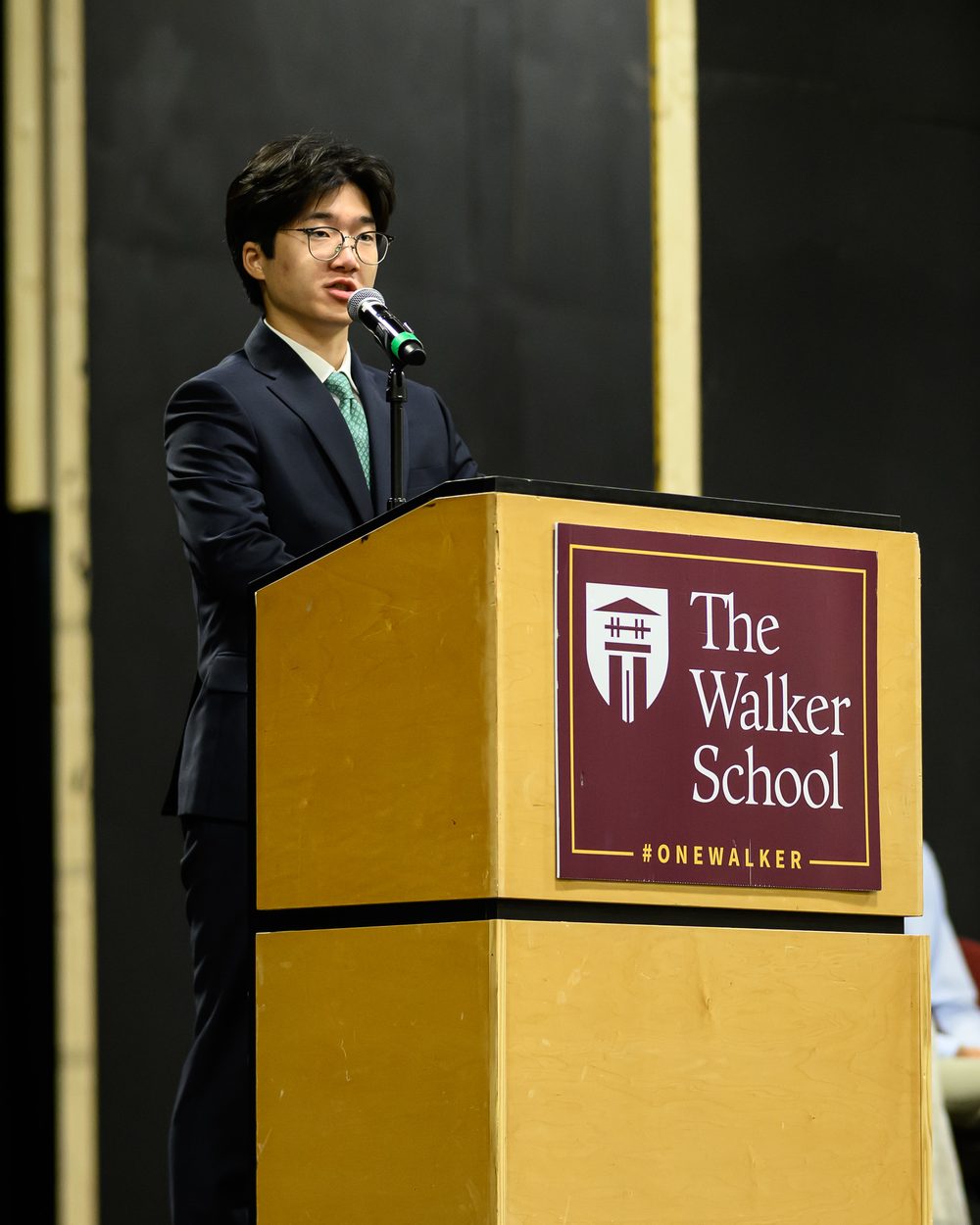
About
I'm a senior at The Walker School in Marietta, Georgia, and I'm fluent in Korean and English. I like working out why something happens and building something to test it. Most of what I've learned came from the people around me: the dentists who mentored my research, the section I led in band, the children I taught at a local center, my teammates.
This page shows the questions I've followed, how I went after them, and who I did it with.
How I think
I test my own guesses.
I expected coffee to stain materials the most. Black tea and grape juice did. I kept the result and tried to explain it.
Beverage staining studyI build to find out.
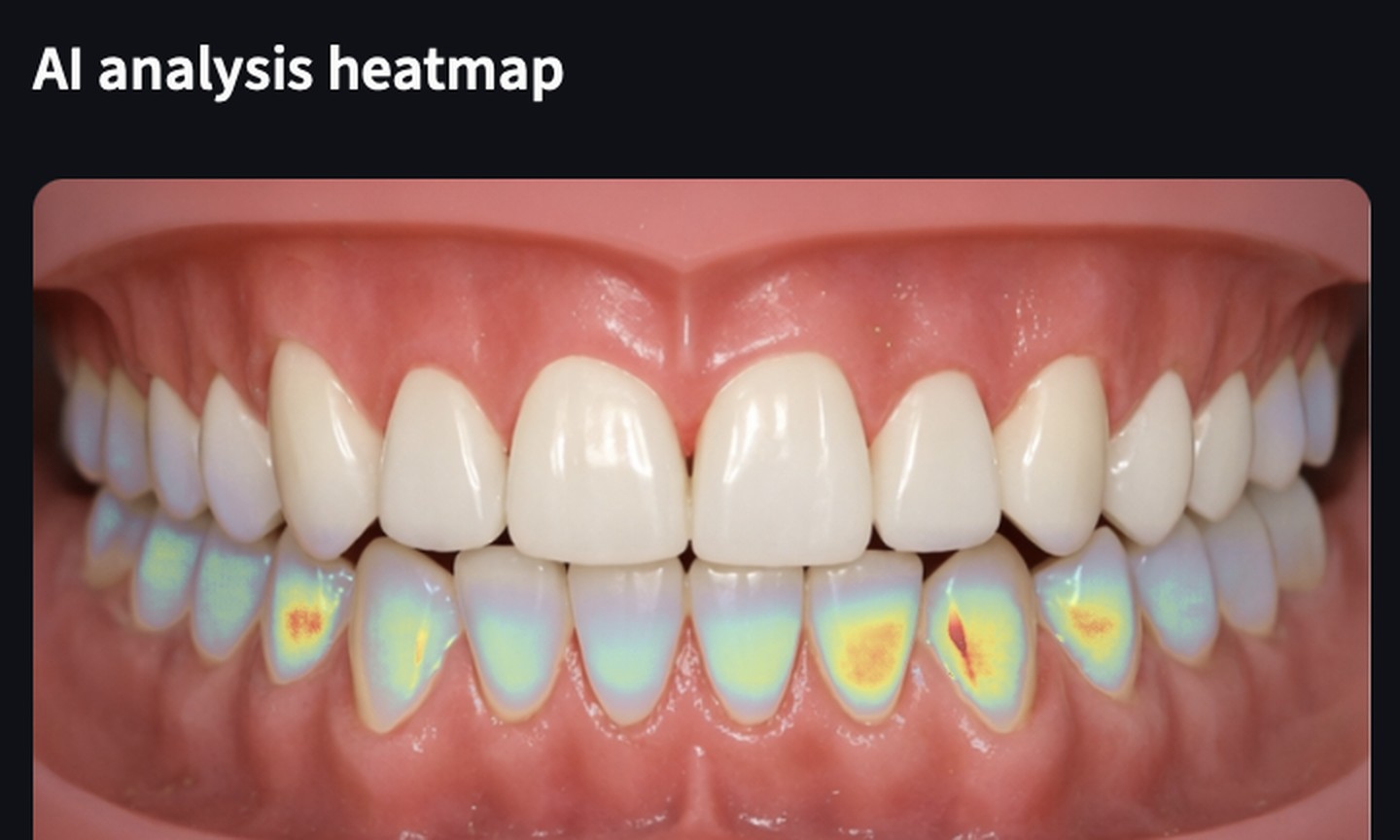
A model is easier to trust when you can see why it decided. I built a classifier that shows which part of the image drove each answer, and a toothbrush that compares three ways of sensing motion.
OrthoLens Smart toothbrushI connect fields that look far apart.
Warmer nights, poorer sleep, a changed gut microbiome. I read across climate science, sleep research and microbiology to see whether the links hold together.
Climate, sleep and the gut microbiomeI work with people, and lead when it helps.
Four years in band, from Community Leader to Section Leader and Woodwind Captain. 152 hours teaching and organizing for children through the Education Sharing Club.
Band and serviceWork
Beverage-induced staining of dental restorative materials
Apr to Sep 2026 · Independent research, mentor Dr. Chungho Lee, EN Dental Clinic Center, Daegu
Submitted to JEI
- Question
- How much do everyday drinks stain the materials used in dental and orthodontic care, and does brushing help?
- Method
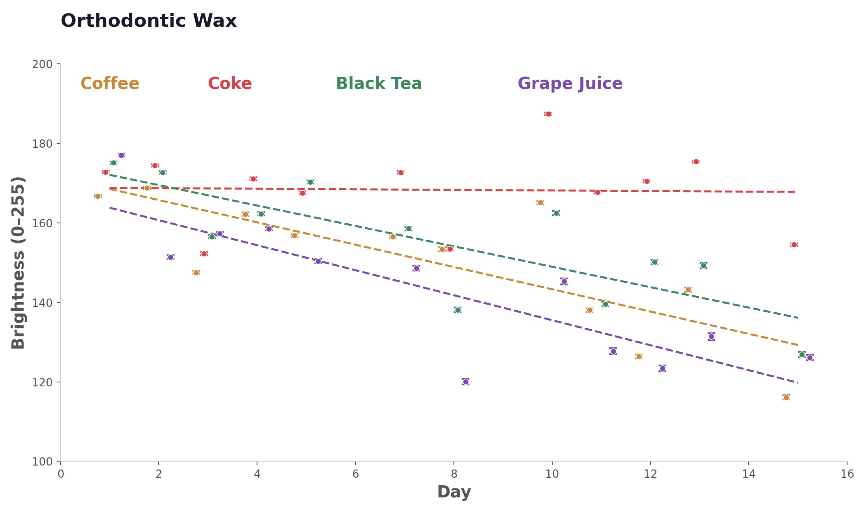
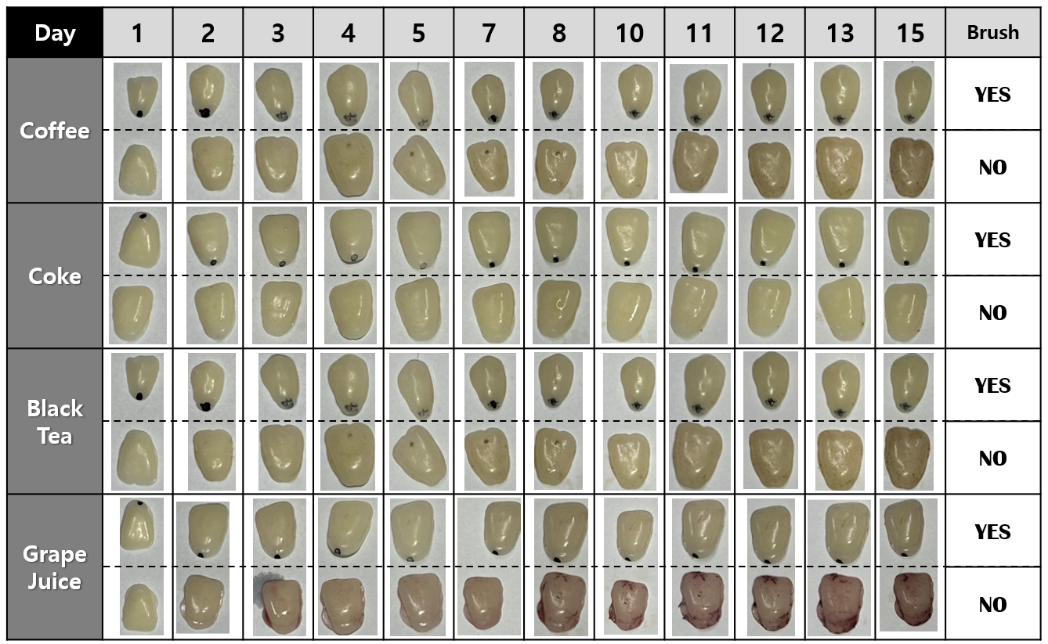
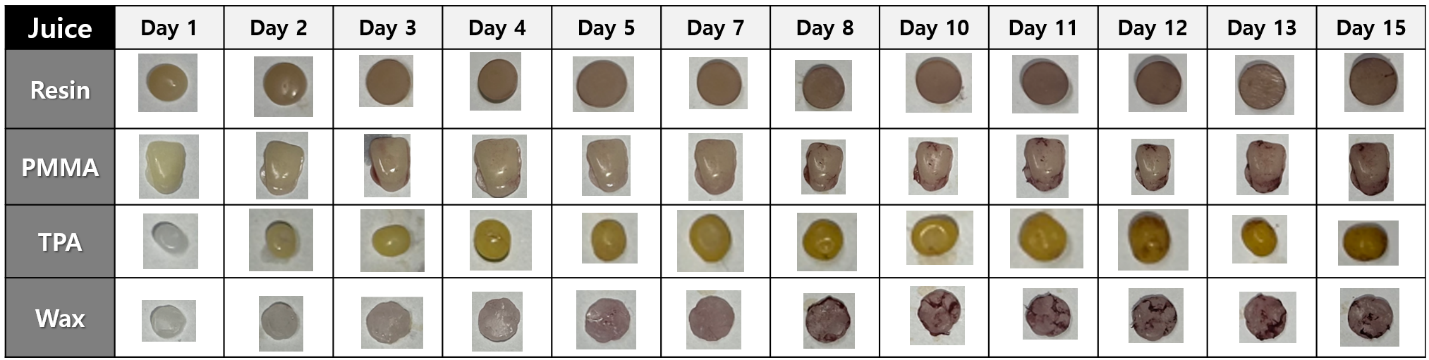
- A two-week immersion study: four beverages (coffee, coke, black tea, grape juice) against four materials (composite resin, PMMA, thermoplastic acrylic, orthodontic wax). I photographed samples daily and measured grayscale brightness, then used Raman spectroscopy to identify beverage-specific compounds.
- Result
- Black tea and grape juice stained the most, which went against my hypothesis that coffee would. Daily brushing slowed the discoloration but did not remove it.
- Next
- Photograph in color instead of grayscale so grape juice's red stain and coffee's brown can be told apart. Test several specimens per condition. Add saliva and pH cycling to get closer to a real mouth.
Read the abstract
Fixed orthodontic appliances make brushing harder, so I asked how much worse staining gets and whether some materials resist it better. I immersed composite resin, PMMA, thermoplastic acrylic and orthodontic wax in coffee, coke, black tea and grape juice for two weeks, tracked daily grayscale brightness in photographs, and used Raman spectroscopy to look for beverage-related compounds on the surfaces. I expected coffee to stain the most. Black tea darkened composite resin, PMMA and thermoplastic acrylic fastest, grape juice darkened wax fastest, coffee stained less, and coke left little visible color. The Raman results suggest coke acts differently from pigment deposition. Daily brushing slowed staining from grape juice and black tea but did not stop it.
Climate change, sleep disruption and the gut microbiome
Jun to Dec 2025 · Independent research, sole author
Paper
- Question
- Could rising nighttime temperatures reduce sleep quality and, through that, change gut microbiome health?
- Method
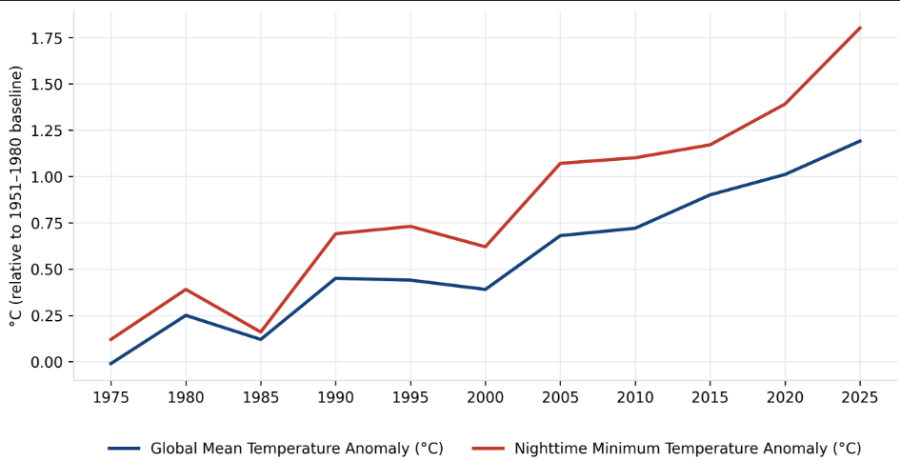
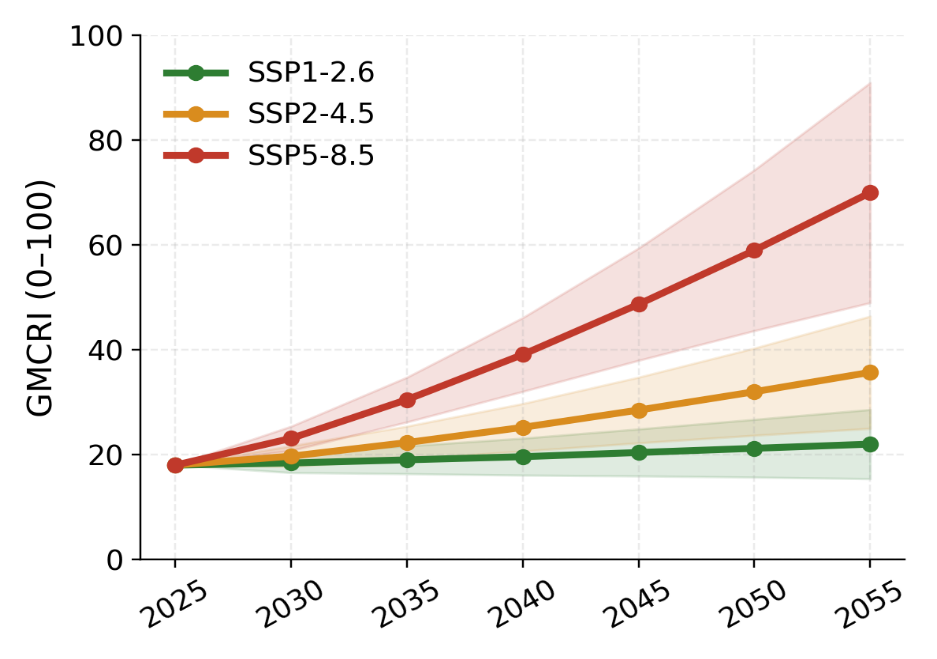
- I measured warming from 1975 to 2025 using NASA GISTEMP and Berkeley Earth nighttime-minimum temperatures, read the human and animal literature on sleep and the microbiome, and built an exploratory projection under IPCC SSP scenarios in five-year steps to 2055.
- Result
- Nighttime minimums rose by roughly 0.207°C per decade. The review produced four testable hypotheses linking heat, sleep loss and microbiome function.
- Next
- Replace the simple proxy model with a Bayesian hierarchical model once cohort data that track temperature, sleep and the microbiome together become available.
Read the abstract
This study does not claim that climate change directly alters the gut microbiome. It reviews a hypothesized pathway: rising nighttime temperature, reduced sleep quality, an altered gut microbiome, and changes in gut health. I quantify warming from 1975 to 2025 with NASA GISTEMP and Berkeley Earth data, summarize large human sleep studies, separate human and animal findings on sleep loss and gut diversity, and present an exploratory model that projects temperature, sleep loss and microbiome risk in five-year steps to 2055 under IPCC SSP scenarios.
OrthoLens
May 2026 to present · Independent project · PyTorch, Streamlit
Live demo
- Question
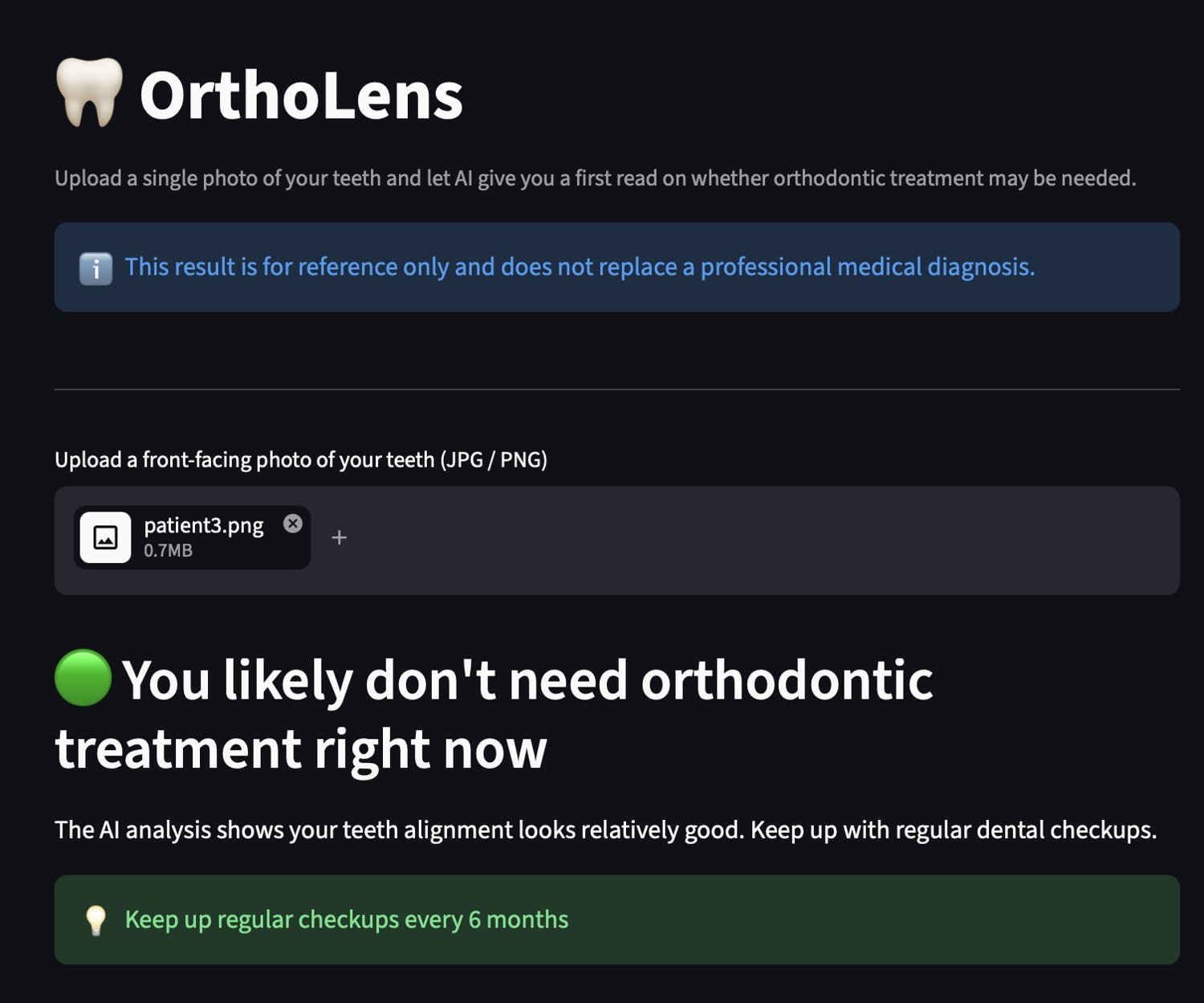
- Can a small model screen photos for tooth crowding, and show its reasoning so a person can check it?
- Method
- I labeled 1,953 images, chosen from a public set of about 9.5K, with an automated pipeline that calls the Claude Vision API and keeps only labels with confidence of 0.80 or higher. I trained a ResNet-18 with transfer learning, handled class imbalance with weighted sampling and a weighted loss, and tuned the decision threshold for F1.
- Result
- AUC 0.93 and 86% accuracy on 390 held-out images. Grad-CAM heatmaps highlight the regions behind each prediction, and the Streamlit app turns the output into a report.
- Next
- Have a clinician review a sample of the labels, since they were generated automatically. Test the model on photos taken with ordinary phones, not only on the dataset's controlled images.
Smart toothbrush
Aug 2026 to present · Guided Science Research course, The Walker School
In progress
- Question
- Which sensing approach tracks where and how a person brushes most reliably: motion sensor, camera, or both together?
- Method
- An Arduino-based IMU and a camera sensor, compared as IMU-only, camera-only and fused. I'm writing the companion software and testing on a tooth model to see whether real-time tracking improves brushing.
- Status
- Building and testing. Results will be added here.
Machine learning for orthodontic treatment planning
Summer 2026 · Independent project
Paper draft
- Question
- Can measurements from a cephalometric X-ray predict the force and direction of tooth movement?
- Method
- I compared Random Forest, SVM and neural networks using measurements such as SNA, SNB, ANB, FMA and IMPA, and wrote up the model design, input variables and evaluation plan for a clinical decision-support tool.
People
Band
- 12th gradeSection Leader, Woodwind Captain
- 11th gradeStudent ConductorDistrict Honor Band, clarinet.
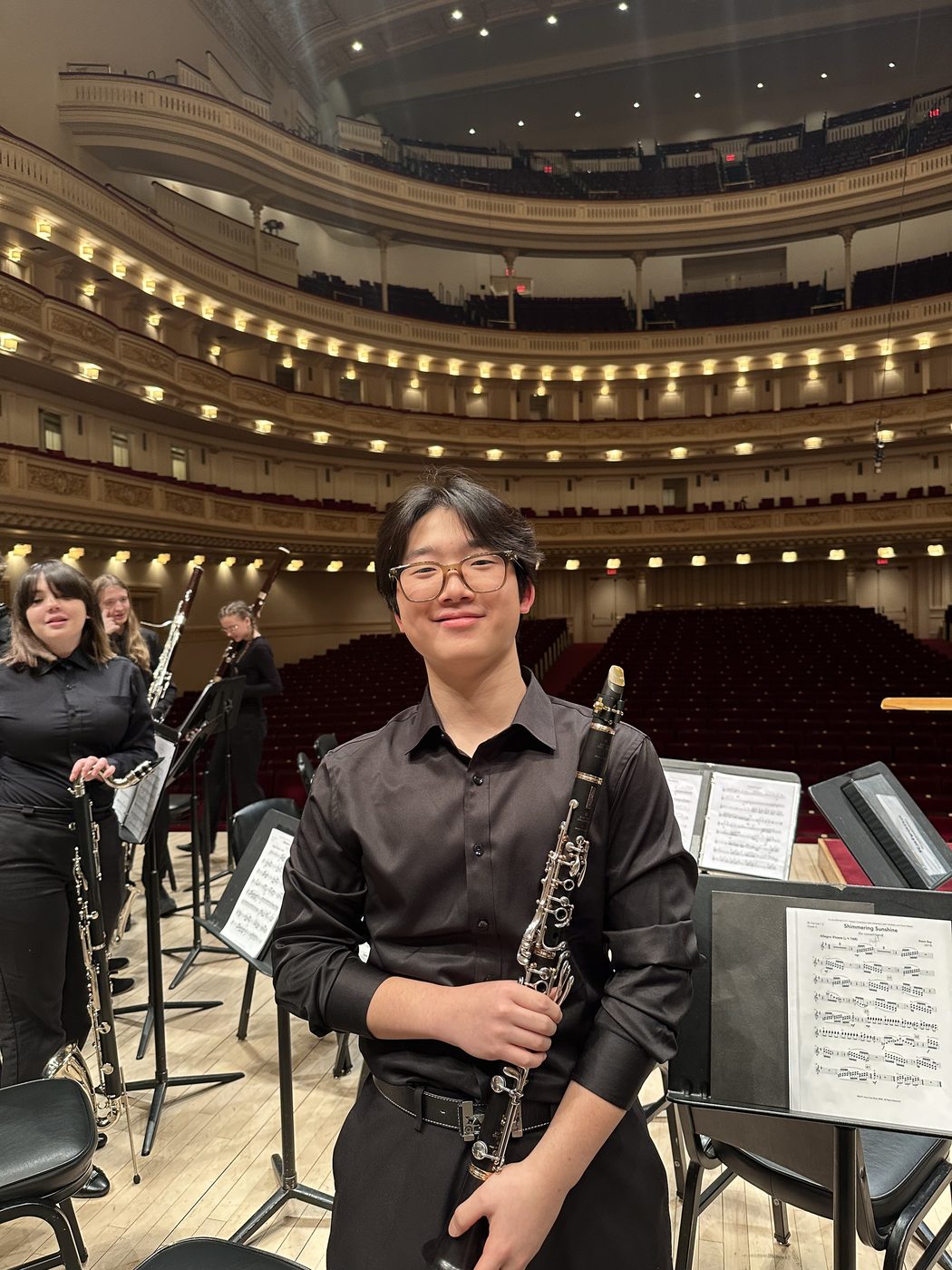
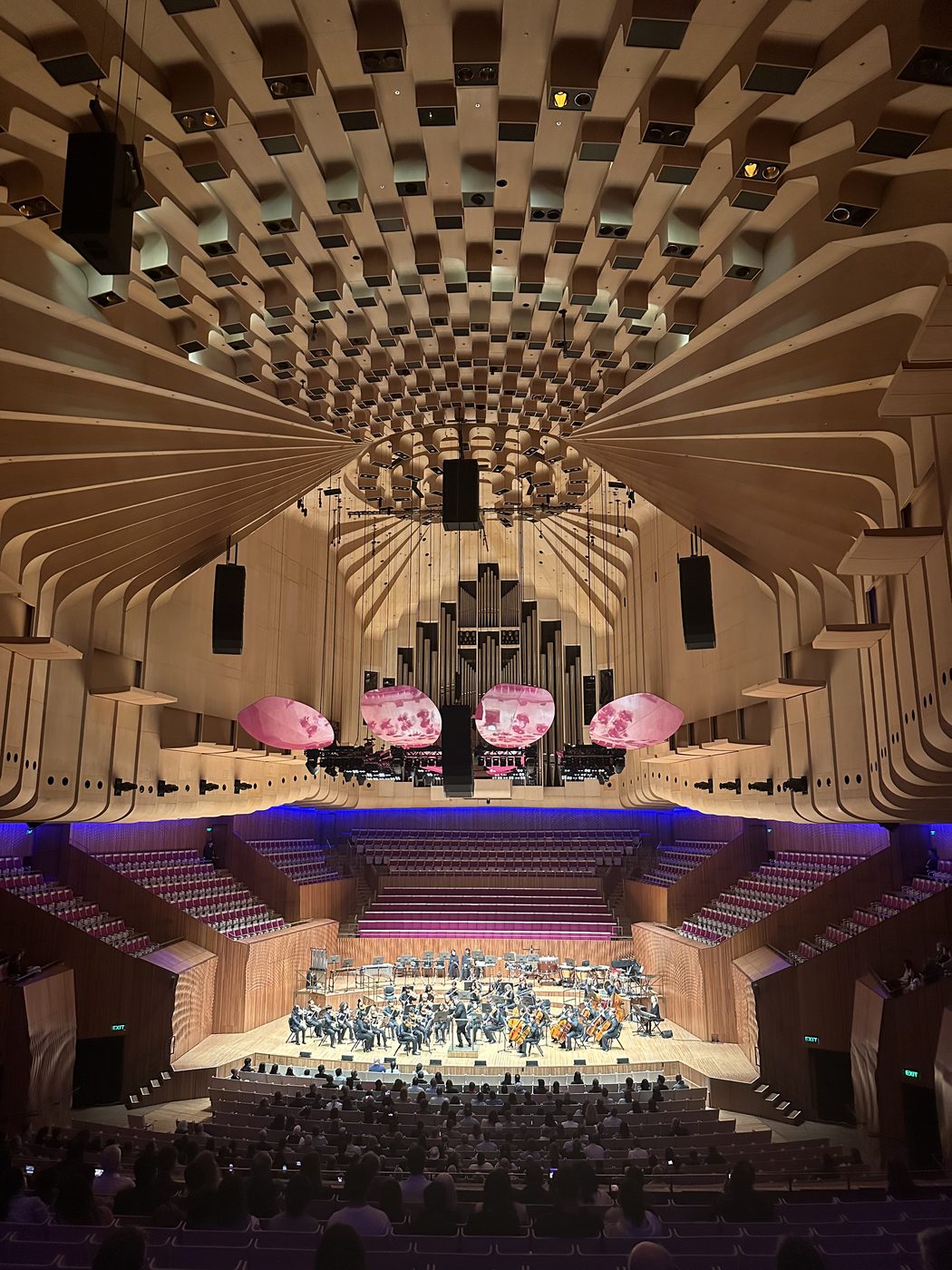
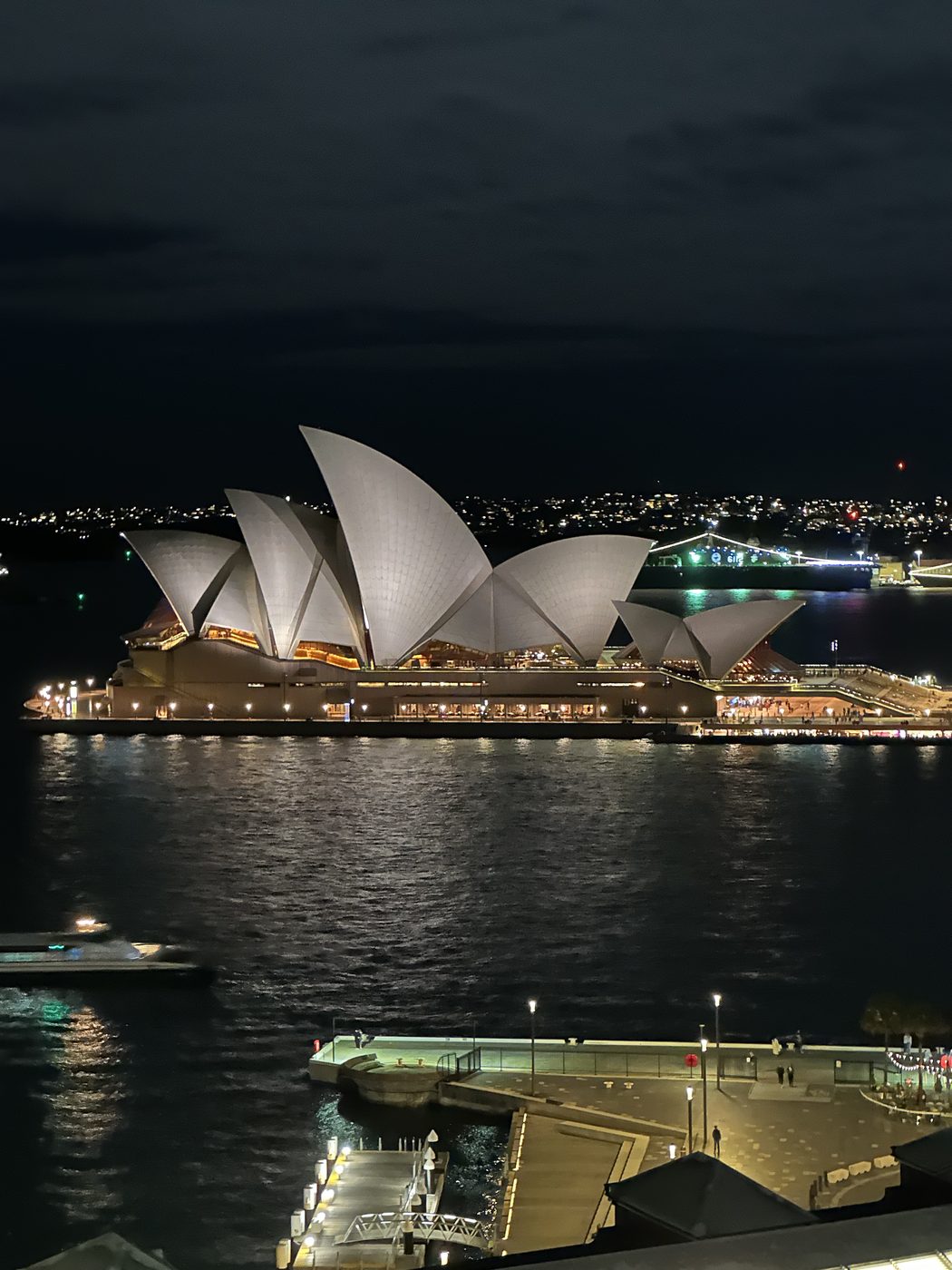
- 10th gradeCommunity LeaderGeorgia All-State Band, clarinet section group leader. Honors Performance Series at Carnegie Hall and the Sydney Opera House. John Philip Sousa Award for contribution to the band program.
Education Sharing Club
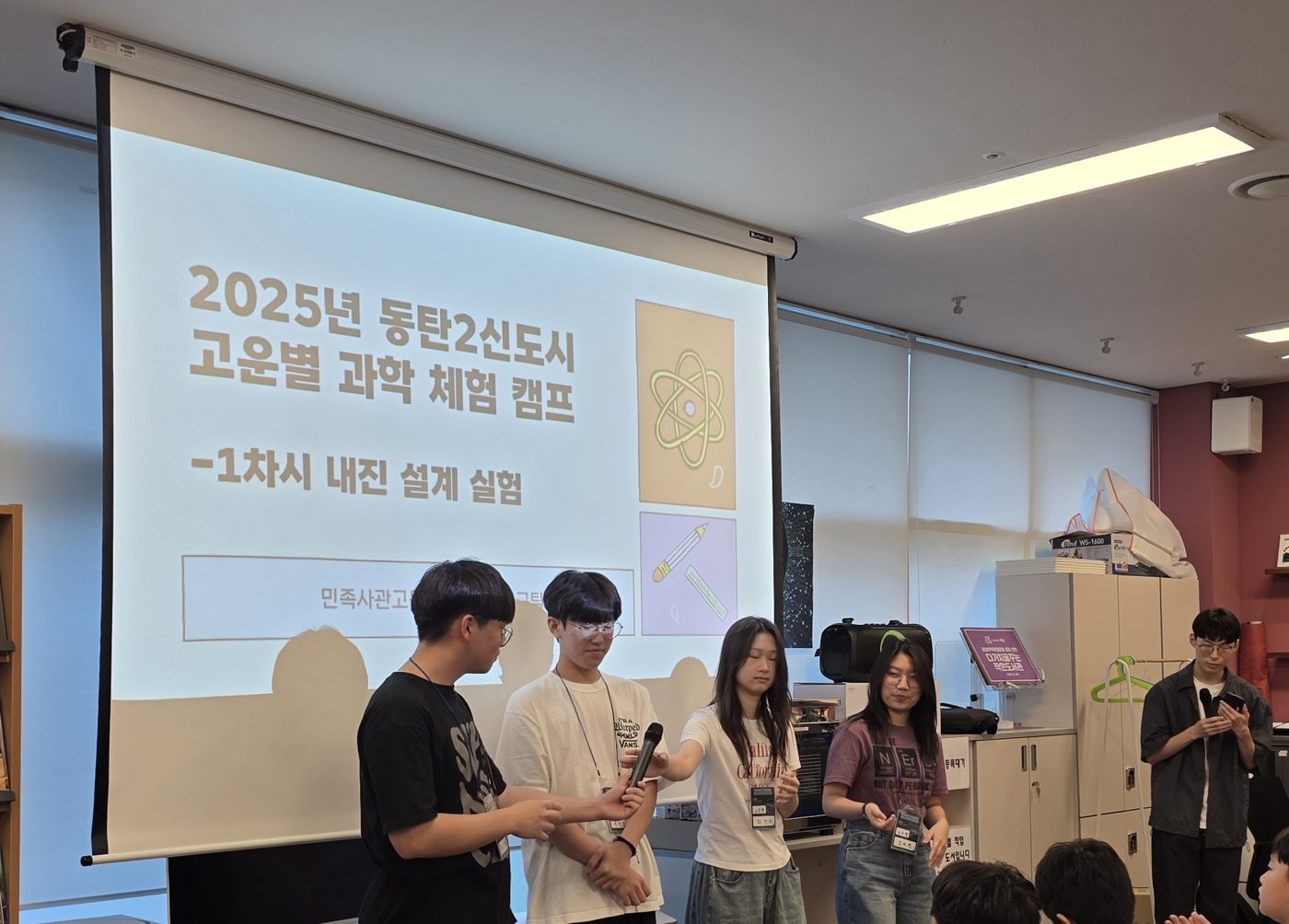
Member and officer, Feb 2024 to Jul 2026, 152 volunteer hours with an independent nonprofit serving underserved children in Korea. I developed learning materials, ran programs at a local children's center and helped plan a science camp with a partner high school.
Shadowing a dentist
Yonsei Baro Dental Clinic in Dongtan, Korea, May to Aug 2026. I followed a practicing dentist through general and orthodontic visits and watched how diagnosis and treatment are planned.
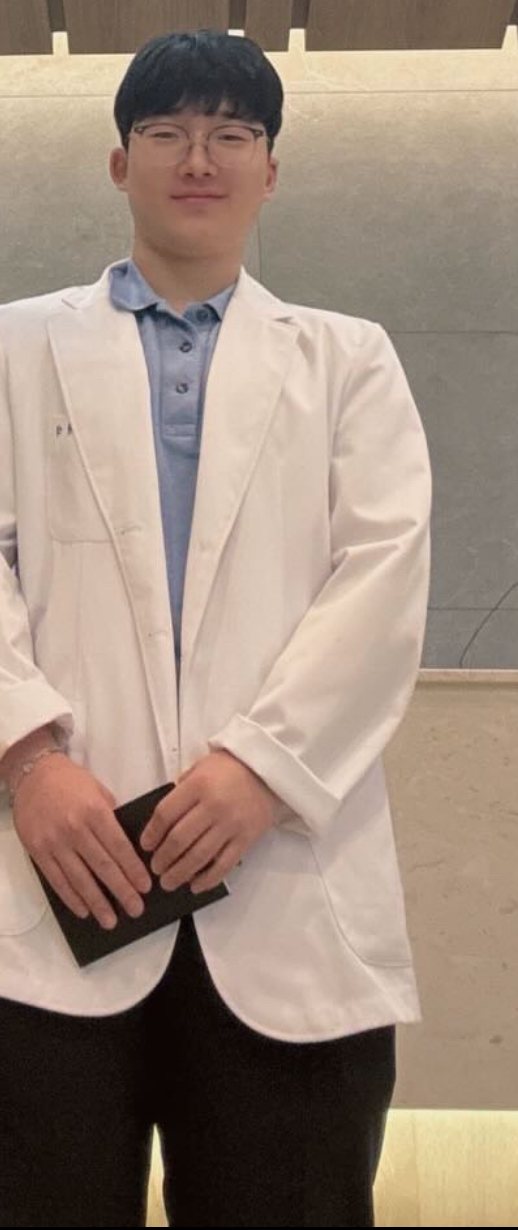
Teams and clubs
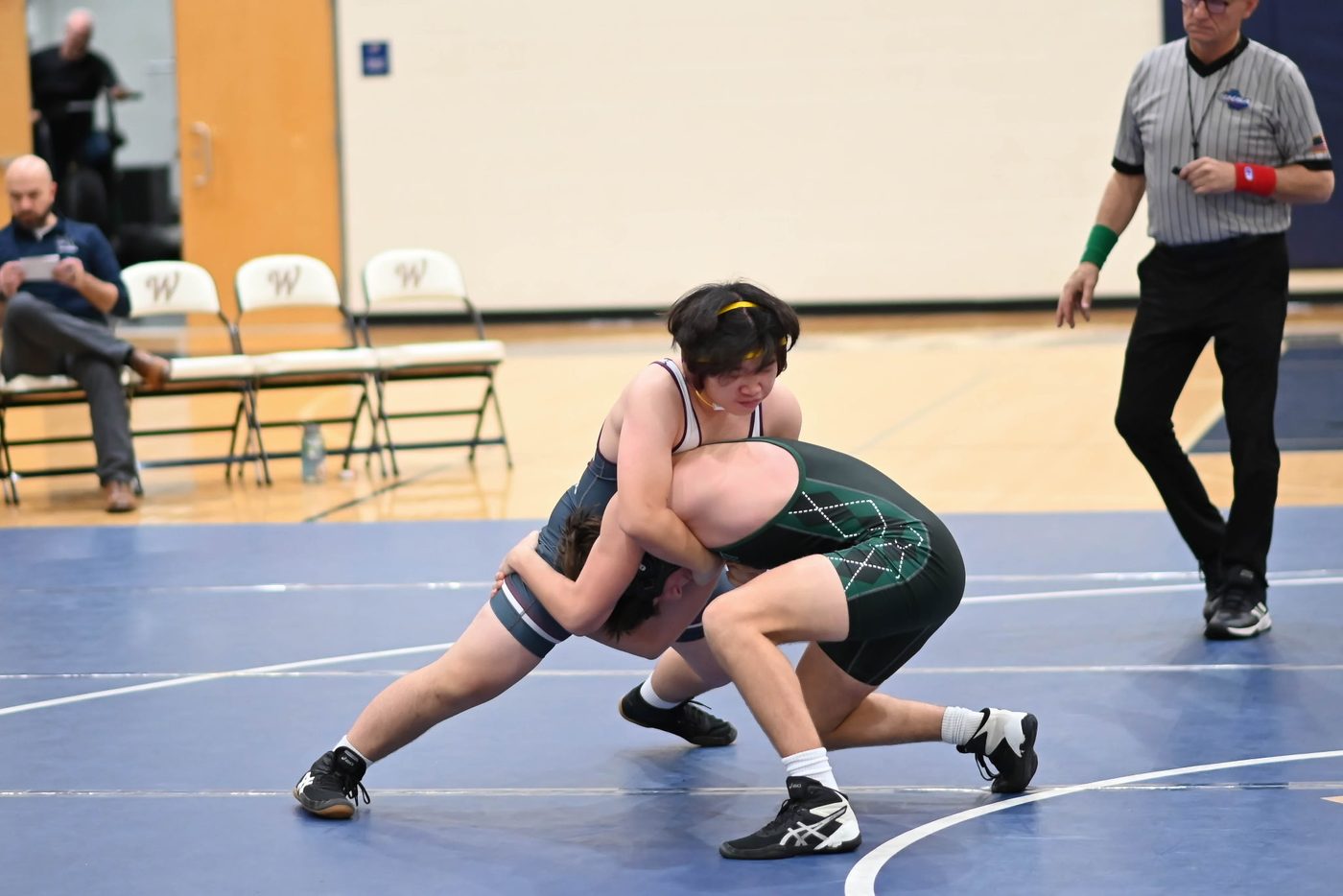
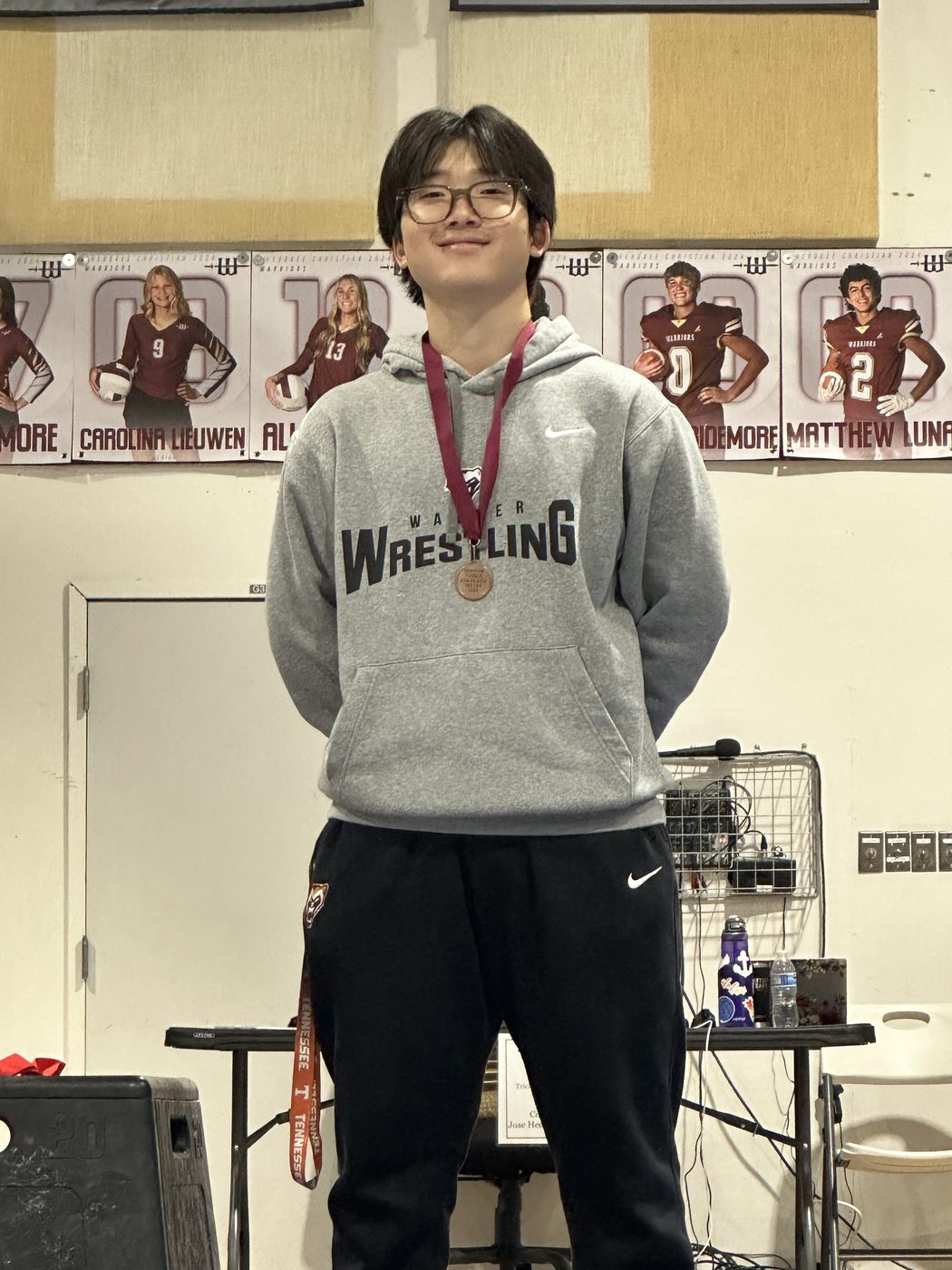
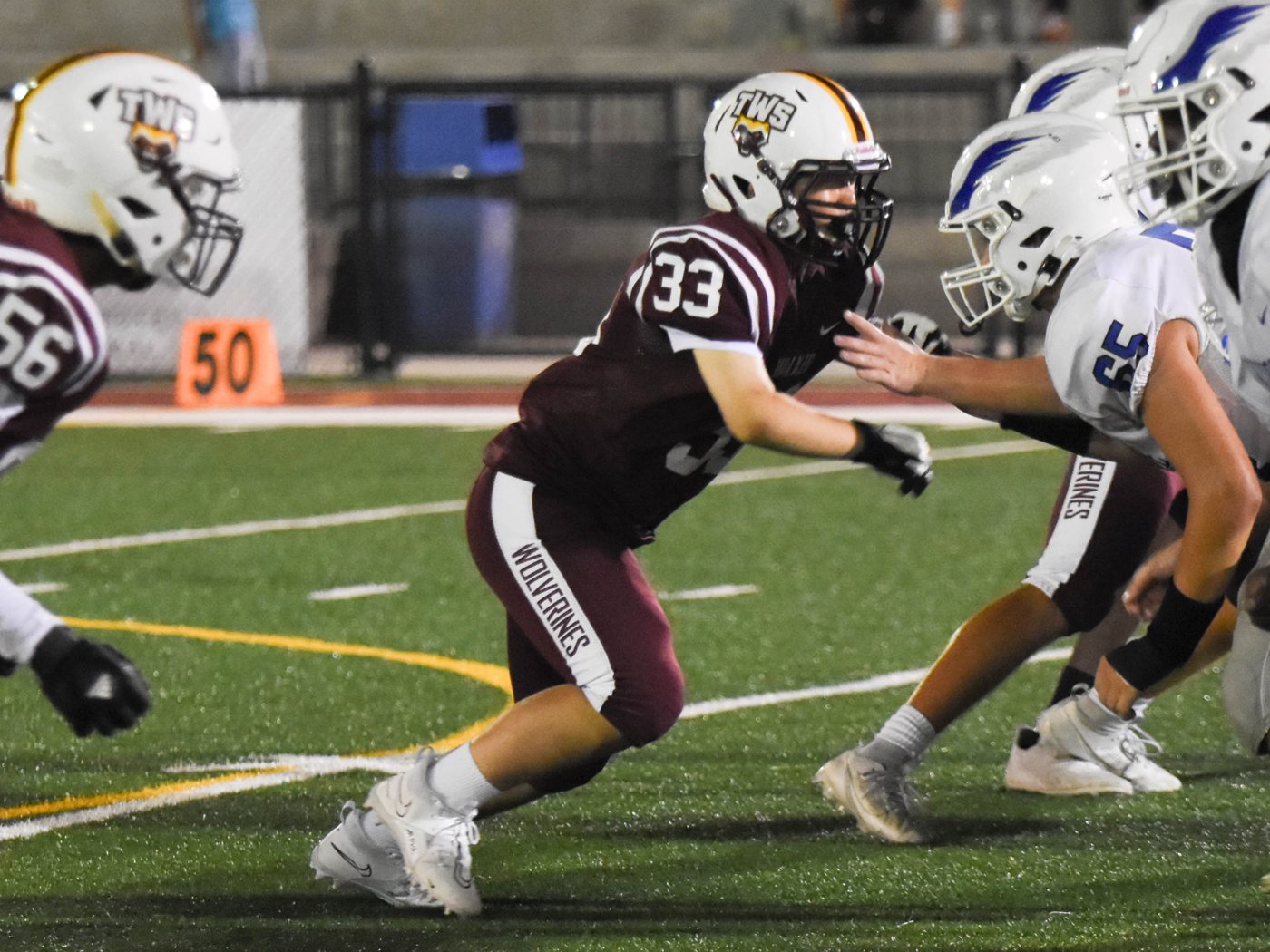
STEM Club, member then Vice President. Math Team, 10th to 12th grade. National Honor Society. HOSA. Wrestling captain in 11th grade.
Recognition
- AP Scholar
- 2025, 2026
- Outstanding International Student
- The Walker School, 9th grade
- John Philip Sousa Award
- Band program, 10th grade
- UGA High School Math Tournament
- Placed, 10th grade